How to Prepare Your Findlay Home Electrical System for Winter
Findlay winters push electrical systems hard. Here's the 2026 checklist we use to get homes ready for ice, snow, and the heating load that comes with them.
Preparing your Findlay home electrical system for winter means three things: reducing the load on your panel before heating season peaks, testing every safety device that cold weather can disable, and making sure you have a plan for the outages that ice storms cause. Do those three things in October and November, and you avoid the 2 a.m. call when it's 8°F outside and half your house is dark. This guide walks through the exact checklist our electricians run on Findlay homes before the first hard freeze.
Why Findlay Winters Are Hard on Home Electrical Systems
Findlay sits in a pocket of northwest Ohio where lake-effect moisture and flat farmland combine to produce ice storms that knock out power for hours, sometimes days. The city averages about 30 inches of snow a year, and January lows regularly drop into the single digits. That cold does two things to a house: it forces every heating system to run at full load, and it makes the wiring itself more brittle and less forgiving of loose connections.
Most of the homes we service were built between 1920 and 1975, back when a 60-amp service was considered generous. Add a heat pump, a couple of space heaters, and an EV charger, and you're asking a 1960s panel to do a 2026 job. That mismatch is the root cause of most winter electrical failures we see.
New Circuit Installation & Rewiring Findlay OH is the work of bringing that old infrastructure up to what a modern Findlay winter actually demands. It's not glamorous, but it's the difference between a warm house and a cold one.
Start With the Electrical Panel
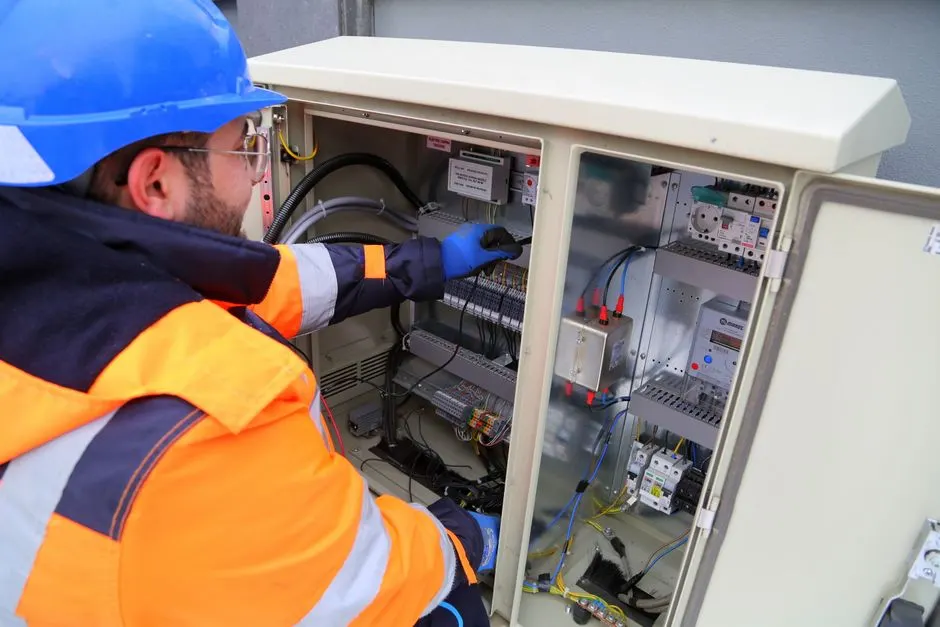
The electrical panel is the single most important piece of winter prep, and it's the one homeowners skip because it's in the basement and it's boring. Open the door, look at the breaker labels, and ask yourself one question: do you know which breaker controls the furnace? If the answer is no, that's your first project.
Here's what we check on every panel we inspect:
- Breaker temperature. Warm breakers mean loose connections or an overloaded circuit. Both get worse as the load climbs in December.
- Double-tapped breakers. Two wires under one lug is a fire risk, and it's common in homes where someone added a circuit without adding a slot.
- Panel age and amperage. A 100-amp panel from 1985 is at its limit with electric heat. A 200-amp upgrade is the fix.
- Corrosion or rust. Basement moisture plus cold equals condensation inside the panel. That's a replacement, not a repair.
If your panel is full and you still need capacity for a generator inlet or a hot tub, a Subpanel Installation Findlay OH gives you room to grow without replacing the whole service. We mount the subpanel, run the feeder, and label every circuit so the next person who opens that door knows exactly what they're looking at.
Test Every GFCI and AFCI Before the First Freeze
GFCI and AFCI devices are the circuit breakers that protect you from shock and arc faults, and they fail silently. A GFCI that tripped in July and never got reset is a dead outlet in January. Test every one in the house before Thanksgiving.
Press the TEST button, then the RESET button. If it won't reset, the device is done. Pay special attention to:
- Garage outlets - these see the most temperature swing and fail first.
- Kitchen counter circuits - they carry the microwave, coffee maker, and toaster load.
- Bathroom and laundry outlets - moisture kills GFCI internals faster than anything else.
- Any outlet near a sump pump or crawlspace - these are the ones that trip during a thaw.
Replacing a failed GFCI is a 20-minute job for our team and a five-minute job for you to test. If you've got a whole house full of aging devices, a GFCI Outlet Installation Findlay OH across the kitchen, baths, and garage brings everything up to current code in one visit.
Get Your Generator and Transfer Switch Ready
If you own a portable generator and you're still running extension cords through a window, stop. That setup kills people every winter through carbon monoxide and backfeeding. The correct setup is a transfer switch that isolates your panel from the utility line before the generator comes online.
We install transfer switches year-round, but October and November are when Findlay homeowners actually think about them. A properly sized transfer switch runs your furnace, refrigerator, sump pump, and a few lights - the circuits that keep the house livable during a two-day outage. Whole-home standby generators cost more upfront, but they start themselves at 3 a.m. when the ice takes the line down, and you don't have to go outside in the dark to pull a cord.
Either way, test the system before the first storm. Run the generator under load for 30 minutes, check the oil, and confirm the transfer switch actually transfers. A generator that won't start in October definitely won't start in January.
Check Outdoor Outlets, Lighting, and Block Heater Circuits
Outdoor outlets take a beating in Findlay. Snow sits against the covers, freeze-thaw cycles work water into the boxes, and by February half of them don't work. Walk the exterior of your house and test every outlet with a small plug-in tester or a phone charger.
Three specific things to look at:
- Block heater circuits. If you park a diesel truck or a tractor outside, that circuit runs for hours at a time in cold weather. Make sure it's a dedicated circuit, not shared with the garage lights.
- Landscape and security lighting. Cold makes LED drivers fail, and buried cable can be damaged by frost heave. If half your path lights are out, the transformer or the cable is the culprit.
- Holiday lighting load. A single 15-amp circuit can handle about 1,440 watts of incandescent lights. Modern LEDs draw a fraction of that, but if you're still running the old strings, spread them across two circuits.
We see a lot of homes in the older neighborhoods near downtown Findlay where the outdoor outlets are original to the house and have no GFCI protection at all. That's a shock hazard in wet snow, and it's a quick fix.
Common Mistakes We See Every November
The same four mistakes show up on our service calls every fall, and every one of them is avoidable.
Running space heaters on extension cords. A 1,500-watt space heater pulls 12.5 amps. Most extension cords are rated for 10 or 13 amps, and the cheap ones are rated for less. The cord gets hot, the insulation fails, and you have a fire. Plug space heaters directly into a wall outlet, and never into a power strip.
Ignoring the furnace circuit. Your furnace blower and ignition system are on a dedicated circuit, and if that breaker is weak or the connection is loose, the furnace shuts down on the coldest night of the year. Have an electrician tighten the lugs and check the breaker before heating season.
Adding a generator without a transfer switch. Backfeeding a panel through a dryer outlet is illegal, dangerous, and it can electrocute a lineman working down the street. There's no version of this that's worth the risk.
Waiting until the power is out. Every electrician in Findlay is booked solid the week after an ice storm. The work you do in October costs the same as the work you do in January, but in January you're on a waiting list.
When to Call a Professional
Some of this checklist you can do yourself: test the GFCIs, walk the exterior outlets, run the generator. But four situations need a licensed electrician, and they're the four that matter most for winter safety.
Call us if your panel is warm to the touch, if breakers trip repeatedly when the heat comes on, if you smell burning plastic near any outlet, or if you're adding a generator, EV charger, or hot tub circuit. Those aren't DIY projects, and the failure mode is a house fire in the middle of a snowstorm.
Circuit & Rewiring Pros handles panel upgrades, dedicated circuits, generator wiring, and whole-home rewiring for Findlay homeowners. We'll tell you what actually needs to be done and what can wait until spring.
Frequently Asked Questions
How much does an electrical panel upgrade cost in Findlay in 2026?
A 200-amp panel upgrade in Findlay runs $1,800 to $3,200 in 2026, depending on whether the meter base and service entrance cable need replacement. Most homes built before 1980 need the full upgrade, not just the panel. We quote the whole job upfront so there are no surprises.
How often should I test my GFCI outlets?
Test every GFCI once a month, and definitely before winter. Press TEST, then RESET. If it won't reset, the device has failed and needs replacement. GFCIs have a lifespan of about 10 years, and garage and outdoor units often fail sooner because of temperature swings.
Can I run a space heater on an extension cord?
No. A 1,500-watt space heater draws 12.5 amps, which exceeds the rating of most household extension cords. Plug space heaters directly into a wall outlet. If you need heat in a room with no outlet, have a dedicated circuit installed - it's cheaper than a fire.
How do I know if my panel can handle a generator?
Check the amperage on the main breaker and count the open slots. A 200-amp panel with two open slots can usually accept a transfer switch for a portable generator. A 100-amp panel that's already full needs an upgrade first. We'll assess it in about 20 minutes.
What size generator do I need for a Findlay winter outage?
For a typical Findlay home, a 7,500-watt portable generator runs the furnace, refrigerator, sump pump, and a few lights. If you want to run electric heat or a well pump, you're looking at a 12,000-watt unit or a whole-home standby. We size it based on your actual circuits, not a guess.
Get Help With New Circuit Installation & Rewiring in Findlay
Winter prep is the cheapest electrical work you'll do all year, because you're doing it on your schedule instead of the utility's. We'll walk your panel, test your safety devices, and get your generator ready before the first ice storm hits.
Call Circuit & Rewiring Pros at +14197996088 to schedule your winter electrical inspection. We serve Findlay and the surrounding Hancock County area, and we'll tell you straight what needs to be done now and what can wait.